Machine shop sales,
one question at a time.
Practical articles on buyer research, supplier approval, customer relationships, quote follow-up and production figures for machine shops.
Articles

Alihankinta 2026: from a trade fair conversation to the next step
Define the manufacturing requirement, check the fit and agree on a concrete next step.
Read article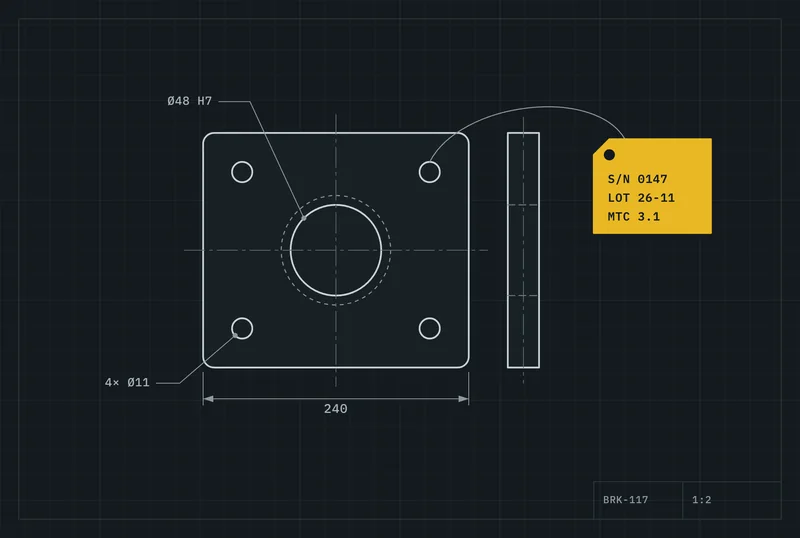
Defence industry subcontracting: what is required of a machine shop in 2026?
AQAP, security, NCAGE and traceability: what a defence supplier is expected to have.
Read the article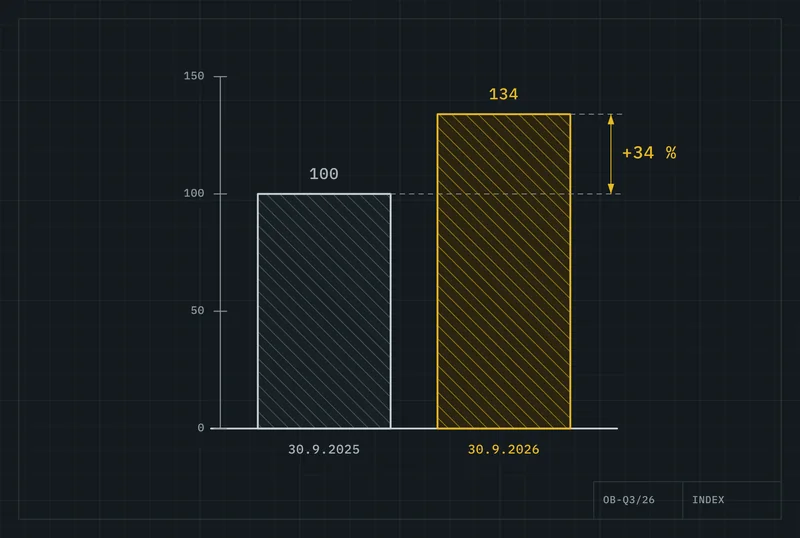
Finland’s technology industry order book grew by a third. What does it mean for a machine shop?
Growth comes from exports. How a machine shop can use it in exporters’ supply chains.
Read the article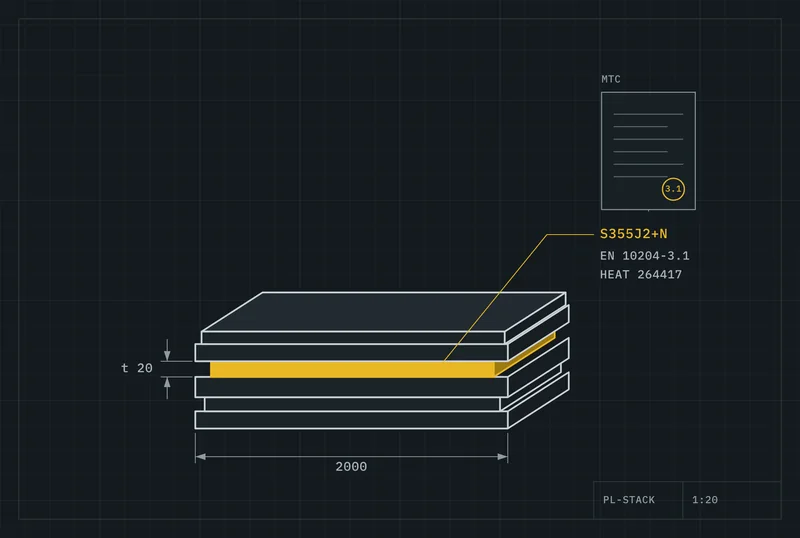
EU steel tariffs and CBAM in 2026: what should a machine shop change in its quotes?
The new steel import regime, melt-and-pour evidence and CBAM: what to write into quotes now.
Read the article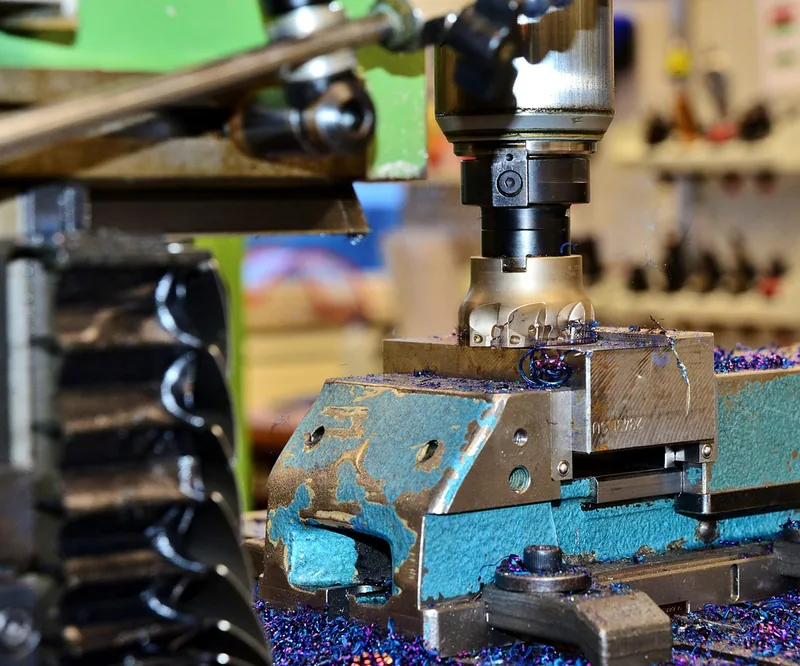
An old customer has stopped ordering: establish the reason before sending another quote
Build a worklist of dormant customers. Establish the reason and choose the next step accordingly.
Read article
Becoming a second-source supplier: agree on a trial order with a clear purpose
Define a trial order and its acceptance criteria. One delivery does not guarantee future series production.
Read article
Who should your machine shop sell to? A buyer profile starts with your production
Turn your machine list into a buyer profile. Define suitable work and identify what still needs checking.
Read article
Quote sent. What should a machine shop do next?
Agree on the next step and establish why a quote was lost. Distinguish an open quote from a lost order.
Read article
Customer concentration in a machine shop: how much depends on three customers?
Calculate the three largest customers’ share of sales and follow its effect down to an individual machine.
Read article
Machine utilisation in a machine shop: what does an idle machine really cost?
Translate utilisation into euros. Calculate what an unsold machine hour means for contribution margin.
Read article
